

 Posts
Posts


According to a 2005 study, the OMNIheart study found a way to improve on the DASH diet -- cut the carbs. But you wouldn't know it from any of the DASH-related websites, which still recommend the same number of servings of grain per day. You might think that family doctors would start handing out prescriptions for OMNIheart instead of DASH to their patients with high blood pressure... But no. Maybe they're all on the South Beach diet now. Maybe the OMNIheart study was a waste of US taxpayer dollars.
According to the OmniHeart paper and the original DASH paper, the macronutrient profiles of the diets stacked up like this:Control DASH OMNI
CarbOMNI Protein OMNI Fat Barnard Carbohydrates 48% 55% 58% 48% 48% 75% Fat 37 27 27 27 37 10 Protein 15 18 15 25 15 15
DASH and OMNIheart diets were all markedly better for the heart than control, but the lower-carb Protein and Fat diets did significantly better. Protein was best. But wait! Fat looks like Control here. And it did better? Distribution of macronutrients must not tell the whole story. And then there's Neil Barnard's 2006 trial of a high-carb vegetarian diet that improved triglycerides much more than any of the OMNIheart diets. Of course, Barnard's trial started with diabetics with worse triglycerides, and ran three times as long as the OMNIheart trial. So comparing it to DASH and OMNIheart is a bit like comparing apples to oranges. Still -- the very-high-carbohydrate diet is very effective at improving metabolic syndrome risk factors. It clearly does not cause the blood sugar, inflammation, and cholesterol problems that low-carbers have warned us about.
How can this be? If cutting carbs is a good idea, how can increasing carbs be a great idea? Which side is wrong? Maybe neither side -- there's more to the story. Barnard's diet has a lot of whole grains. And by whole, I mean entire. Not degermed, defatted, polished, ground, cut, rolled, folded, spindled, or mutilated in any way. His diet is very high in low-glycemic-index foods. It is very low in fats, and exceptionally low in saturated fats. He had to cut out animal foods entirely to get there.
It has been well-known for some time that the glycemic index (GI) and glycemic load (GL) of foods can predict their effect on blood sugar, cholesterol, inflammation, and heart health. But I didn't see any of this discussion in any of the studies. The two things the Barnard and OMNI Fat diets have in common are better carbs and less saturated fat than the Control diet.
Wouldn't you like to see these two diets in a cage match? Or else, can someone who has access to all of the data analyze the GIs of the meals and GLs of the diets to look for the correlation?
Thursday, October 30, 2008
Carbs don't tell the whole story


Friday, October 24, 2008
Sweet Potatoes -- better than potatoes

Sweet Potatoes: Japanese, Jewel, Okinawa, and Garnet
Sweet Potatoes are sweet. But they aren't potatoes. They're better. They raise your blood sugar and insulin a lot less than real potatoes do. Sweet potatoes have a low glycemic indexof 54, while baked potatoes have a high glycemic index of 85....
This can be important if you are diabetic or pre-diabetic, have heart disease, high blood pressure, high cholesterol or triglycerides. Because, as I've learned, a lot of damage to your heart happens right after a meal that raises your blood sugar too much. And Sweet Potatoes are good sources of Vitamin A, Vitamin C, B6, iron, potassium, and fiber.
Sweet potatoes are not yams, though orange-fleshed sweet potatoes are often called yams. Some people don't like the "pumpkin" flavor and moist, soft texture of orange sweet potatoes. Fortunately, there are other sweet potato choices, from the white-fleshed "Japanese" or "Kotobuki", to the pale yellow "Jersey", to the purple-fleshed "Okinawan". These all have a drier, fluffier flesh, with a mild to slightly nutty flavor.
Sweet potato muffins are still a big favorite of mine, but, more and more, I'm buying the Jerseys and the Japanese to replace baked or roasted potatoes at the dinner table. I think the Japanese "Kotobuki" would make a nice fluffy mash, but I haven't tried it yet.
A 100-gram serving of baked sweet potato has the same amount of carbohydrates (21g) as a 100g serving of baking potato. But the sweet potato has 3g of fiber, 6.5g of sugar, and 7g of starch (is it just me, or are there about 4g of carb missing from that equation?), while the baking potato has 2g of fiber, 1.2g of sugar, and 17.3g of starch.
Photo from Nakashima Farms, Ditty's Saturday Market, Livingston, CA.
Tuesday, August 19, 2008
Vitamin D, the Sun, and your Heart
 Vitamin D comes from the sun. Higher levels of Vitamin D go with lower blood pressure, better insulin and glucose regulation, a healthier immune system, stronger bones, and less chance of colon, breast, and prostate cancers. The US Food and Nutrition Board has recommended that 200IU (5 mcg) of vitamin D is adequate for young to middle-aged adults, but recent research indicates that might not be enough.
It's hard to get enough vitamin D from food. Fortified milk has less than 100IU per serving. Vitamins for adults usually contain 400IU. But, if you are not getting enough sunlight, a vitamin pill may not give you enough vitamin D...
The most important source for vitamin D is the sun. We can make all the vitamin D we need (up to about 20,000IU in less than an hour) if we get enough UVB rays on enough of our bare skin. A light-skinned person living near Boston can typically get enough vitamin D by going outside in shorts and a short-sleeved shirt, without using sunscreen, 3 times every week from mid-March to mid-October for 5 to 10 minutes between 11AM and 2PM. And be able to store enough to last through the winter, when there is not enough UVB light for making vitamin D. Further north, the "vitamin D winter" lasts longer. Closer to the equator, a person needs less time in the sun. Sunscreen blocks UVB rays -- that's its job. Even an SPF8 sunscreen cuts production of vitamin D by 95%. Darker-skinned people may need 5 to 10 times longer in the sun, depending on the amount of melanin (the dark pigment) in their skin. Older people may not be able to make vitamin D in their skin as quickly. People with liver disease may not be able to produce enough of the provitamin-D3 that the skin uses to make vitamin D. Obese people may need more vitamin D because so much of it gets stored in body fat. There are a lot of variables.
Exposing your arms and legs to the sun for 20 minutes at the right place and time could get you a dose of 20,000IU of vitamin D -- much higher than we get from food. This means food is not the most important source of vitamin D. Which makes it hard to calculate an RDA for vitamin D from food. But, if people spend more time inside and more of their outdoor time using sunscreen, they'll have to get it from foods and supplements, or risk their health.
So get a little noonday sun every day for as long as summer last. In the Northern hemisphere, Vitamin D summer lasts until October or November, depending on how far north you live. It has already already begun in the northern Australia, and continues all year long in the tropics.
How much vitamin D is too much? Vitamin D toxicity has never been observed in people getting their vitamin D from the sun. Most people are unlikely to have any problem from as much as 10,000 IU/day from supplements. But some medical conditions (lymphoma, sarcoidosis, tuberculosis, and primary hyperparathyroidism) can cause a bad reaction to vitamin D pills.
Monday, August 18, 2008
Obesity and Psychological Distress


Thursday, August 14, 2008
A berry good snack for the kids
At some point, the kids will get bored of even the most luscious farmstand peaches. Here's a quick, icy snack they'll love. Because the milk turns blue.
Icey Berry and Milk Snack
1/2 cup frozen strawberries
1/4 cup frozen Maine or wild blueberries
1/4 cup skim milk, or less if you run out of room in the bowl.
Surprisingly, this will all fit in the same 6-oz bowl.
Put about 1/2 cup large frozen strawberries in a bowl. This will only be 3 or 4, with a lot of empty space between. Pour in 1/4 cup frozen tiny Maine blueberries. They'll fit between the strawberries. Shake them down to the bottom of the bowl. Now add the milk.
Immediately, the milk will freeze into a skin around the berries. Cut or mash the strawberries with a spoon to expose new surfaces for the milk to freeze on. Explain that this is ice milk. Tell them the story about how, when your mother was little, the milkman left milk on the back porch every morning, how some winter mornings the cream floated up to the top of the milk bottle and froze, and how their grandmother's mother stirred it up with vanilla so they could have ice cream with breakfast. The kids will ooh and aah, splash purple milk on the kitchen table, and be perfectly delighted with their special afternoon snack. Notice how you haven't gotten out the sugar bowl. That was easy. Don't forget you need a snack, too.
Who taught Michael Phelps how to eat?
12,000 calories and no fruit on the plate. As usual, Bix has made me think. Michael Phelps' diet doesn't seem to be hurting his Olympic performance. But it's surprising to see so little produce in his diet. I heard Bob Costas recite the breakfast menu, but I was surprised when I saw the full daily menu in print....
Breakfast: Three fried-egg sandwiches loaded with cheese,
lettuce, tomatoes, fried onions and mayonnaise. Two cups of coffee. One five-egg
omelette. One bowl of grits. Three slices of French toast topped with powdered
sugar. Three chocolate-chip pancakes.
Lunch: One pound of pasta. Two large ham and cheese
sandwiches with mayonnaise on white bread, plus 1,000 calories of energy drinks.
Dinner: One pound of pasta, an entire pizza and even more
energy drinks.
And, according to a 2005 IGN interview, a daily multivitamin.
As a parent, I spend time explaining to my kids why fruit and vegetables make better snacks than cookies, why we don't eat candy when we're hungry, how a sweet-potato muffin can be a better choice than a 4-oz bagel, and why we like to have lots of vegetables during dinner, not just a really big pizza. I explain to them that, if they want to grow up healthy and have the energy and strength to run around and have fun, they need to eat the way I've taught them. Apparantly, that's not strictly true. Michael Phelps' only vegetables come on his morning fried-egg sandwiches, and perhaps in the unspecified pasta sauce, and there's no fruit in his diet at all. Yet he seems to have grown up big, with plenty of strength and energy, and have no health problems -- at least nothing that would interfere with him swimming freestyle and butterfly faster than anyone else in the world.
Of course, even if his foods are low in certain nutrients, he's eating so much that he may be getting what he needs of A, B, C, D, and E and most of his minerals. But what about blood sugar spikes, oxidative stress, arterial plaques, risk of colon cancer, fiber, antioxidants, and omega-3 fatty acids? I didn't worry much about these things when I was 23, either. Even though I wasn't quite as focussed on school as Phelps is on swimming.
Until they ask, I'm not going to confuse the kids by explaining why Michael Phelps' diet is not designed for them -- they aren't 6'4" and 195 pounds, and don't swim 9 miles a day. So they don't eat unlimited "seconds", and are not going to substitute cookies for carrots. Even Michael Phelps doesn't eat cookies. Only chocolate-chip pancakes.
Wednesday, August 13, 2008
Sweet Potato Orange Muffins
Sweet Potato Orange Muffins
A moist, rich muffin with a pumpkin-pie flavor
Recipe By: Family Nutritionist
Servings: 16
-= Ingredients =-
2 c Whole wheat flour
2 ts Low-sodium baking powder
2 ts Baking soda
1 1/2 ts Cinnamon
1/2 ts Nutmeg
1/2 ts Allspice
3/4 pound Sweet potatoes ; cooked, mashed/pureed
1/2 c Firmly packed brown sugar
4 large Egg whites
1 c Orange juice
1 medium Carrot ; shredded
1 ts Vanilla
-= Instructions =-
Lightly grease 16 muffin pan cups or line with paper liners. In a medium bowl, flours, baking powder, baking soda, and spices. In a large bowl, mash sweet potatoes. Add brown sugar, eggs, orange juice, carrot and vanilla. Mix well. Add dry ingredients to sweet potato mixture and stir until combined. Fill muffin cups 3/4 full with batter and bake at 400 F for 15 to 20 minutes or until tops are brown. Let cool slightly and remove from pan. Serve warm. Makes 16.
Serving: 1 muffin (77g), Calories: 113: Fat: 0g (4% of Cals): Sodium: 178mg
Protein: 3g, NetCarbs: 21, K: 242mg
SatFat: 0g, PolyFat: 0g, MonoFat: 0g, Chol: 0mg
TotCarbs: 24g, Fiber: 3g, Sugars: 9g
DASH: Vegetables: 0.2: Fruits/Juices: 0.1: Dairy: 0.0: Grains: 0.9: Meat/Fish: 0.0: Seeds: 0.0: Fats: 0.0: Sweets: 0.5
USDA: Vegetables: 0.1: Fruits/Juices: 0.0: Dairy: 0.0: Grains: 0.9: Meat/Fish/Seeds: 0.1: Fats: 0.0: Sweets: 0.5
Based on a recipe by: Womans Day Low Fat Meals, June 1995
Tuesday, August 12, 2008
Antioxidant chocolate and cinnamon treats
Blog posts are archived forever, but they seem ephemeral. So I wrote a knol encapsulating a lot of the thinking that went into developing the chocolate-cinnamon treats I posted about in June. Since I just figured out ensure these patties have a good texture, I also wrote a knol about keeping chocolate's temper. "Heat gently" means more gently than I had thought!
Thursday, July 31, 2008
Carbohydrates or Fats, but not both for Diabetes?

Barnard: low-fat

Bernstein: low-carb
Read all of "Carbohydrates or Fats, but not both for Diabetes?" ...
Diabetes, overstuffed cells, and changing the way you eat.
 I've just read Dr. Neal Barnard's Program for Reversing Diabetes. His main argument starts with reasons why your cells start to resist insulin. Insulin is supposed to signal the cells to take in the sugar that is available in the blood. But, if muscle cells already have enough sugar, or are storing a lot of fat, they start to ignore insulin's signal. The blood sugar stays high for some time, (which can be very bad for the body), and then the energy in the sugar gets used to produce fat, which the body will store in case you need it later.
He decided that diabetes sufferers need to
- Reduce the fat in their muscle cells to make them more sensitive to insulin's signals and
- Reduce the amount of sugar in the blood so you need less insulin in the first place.
His solution is a low-fat, high-fiber diet wherein most of your energy comes from slower-release carbohydrate sources, like sweet potatoes, intact grains, legumes, as well as All-Bran cereal, al-dente pasta, and the like. To keep fats low, the diet is vegan. Fats should be "good" anti-inflammatory mono and poly-unsaturated fats. The diet has performed very well in clinical trials. It reads quite a bit like Dean Ornish's diet for reversing heart disease, at least as it appeared in his earlier Eat More, Weigh Less. Only, Dean Ornish was advocating a vegetarian, not vegan, diet. Both books (and their Amazon reviews) contain testimonials and case histories of people who started the diet because their physical condition was so poor they were frightened, and who had spectacular success.
The thing is, an awful lot of people are not going to renounce steak, eggs, milk, and even wild-caught Pacific salmon unless they are awfully scared. And maybe not even then. And, let's face it, while many women often crave carbs, it seems that many men crave meat. And some of Barnard's substitutes (vegetable broth thickened with cornstarch for olive oil on salads) sound time-consuming and simply hideous.
Studies show Barnard's diet is effective for managing glucose and, even reducing or eliminating insulin dependance in diabetics. And it can probably control and/or reverse heart disease as well. It could be promoted as a gold-standard intervention for diabetic and pre-diabetic patients. But if Barnard's diet were the only choice on the menu, I imagine a lot of patients would head for another restaurant.
Read all of "Diabetes, overstuffed cells, and changing the way you eat." ...
Monday, June 30, 2008
Red wine with that burger, please


- J Agric Food Chem. 2008 Jun 10. PMID: 18540628. The Stomach as a "Bioreactor": When Red Meat Meets Red Wine. Gorelik S, Ligumsky M, Kohen R, Kanner J.
Cocoa after every meal?
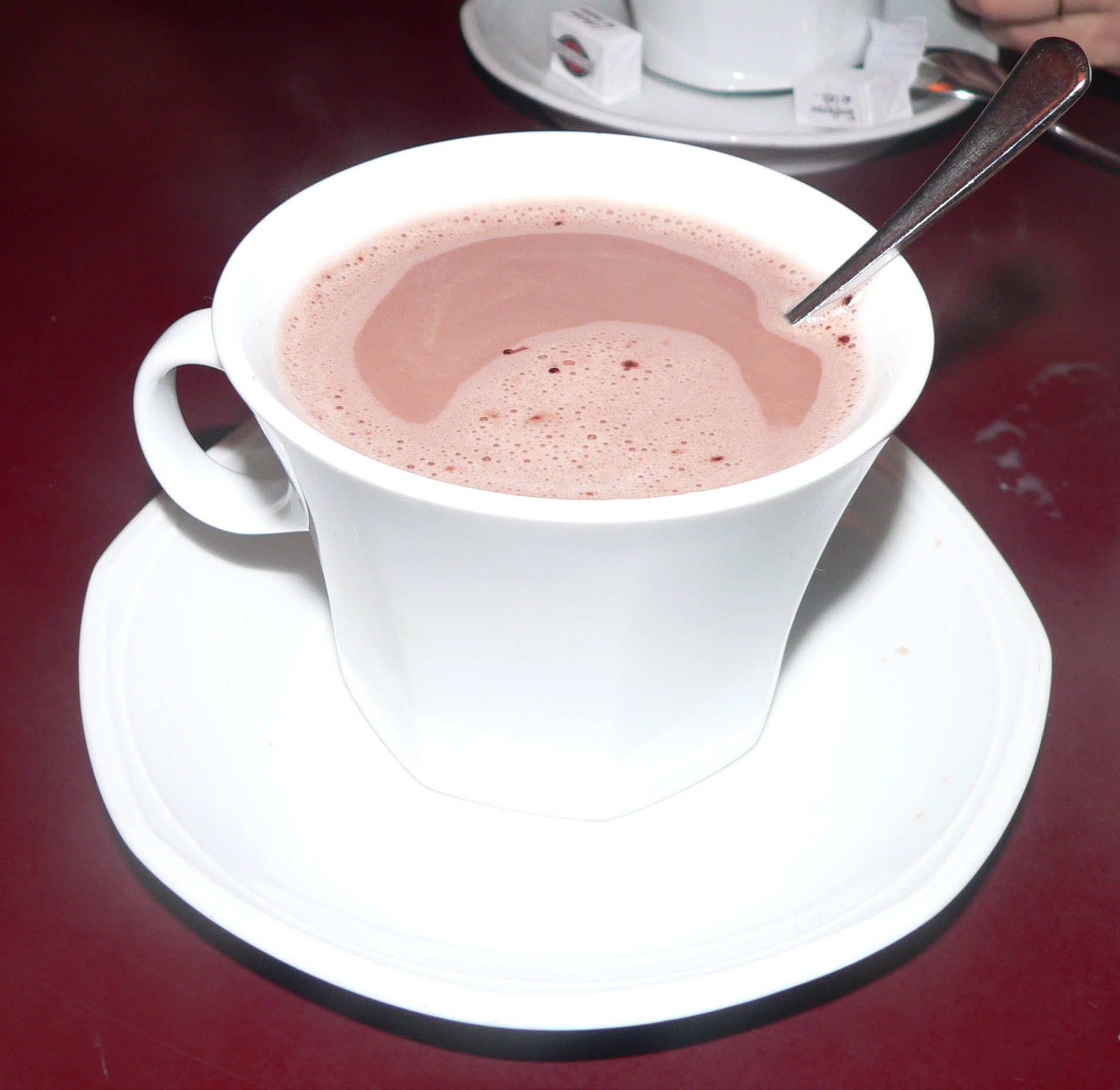
So, to reduce the risk of a heart attack, it seems like it would be a good idea to reduce plaque formation, and reduce the risk. And, if a lot of this dangerous oxidation and inflammation is happening right after meals that cause a rise in insulin, it would seem that anything you could do to reduce blood sugar or insulin or high blood pressure or triglycerides or inflammation or oxidation would help you a lot. Which is why I wonder, when I read the abstracts of some of the clinical trials of cocoa, chocolate, and cinnamon, exactly when everyone is eating their chocolate. Because it seems to me that the time you need the anti-oxidant the most is when you've got the worst threat of oxidation. And the time you need the insulin mimetic in cinnamon the most is right when you're getting that spike in blood sugar. The time you need something to relax your blood vessels in just when they're getting tense. That seems like a fair series of hypotheses.
I'd like to see someone do a meta-analysis of the papers to see if there is any correlation between when the particiapants are consuming their cocoa or cinnamon supplements and how much effect they get from it. Maybe the difference wouldn't show up in a short-term study.
But, if bad metabolism after meals really increases the risk of coronary artery disease, then maybe a long-term study of coronary artery disease progression and cocoa consumption would turn something up. And, if a little red wine with a meal can counter the oxidation chemicals in a meal, then why not a cup of cocoa, containing 200mg polyphenols after the meal? And why not a little cinnamon after the meal?
I'd like to see a clinical study of the effect of having 200mg of polyphenols during or directly after each of the main meals of the day. Three meals, 600mg in a day. Still less than the Kuna people drink, but quite a lot none the less.
Makes me wish I lived near one of these groups doing cocoa or cinnamon studies. Wouldn't it something to get involved in designing one of those experiments?
Because either cocoa and cinnamon are the greatest discovery since sliced bread (and to be highly recommended to anyone who regularly eats bread or other easily-digested carbohydrates) or they aren't. And I'd really like to know which it's going to be.
- J Agric Food Chem. 2008 Jun 10. PMID: 18540628. The Stomach as a "Bioreactor": When Red Meat Meets Red Wine. Gorelik S, Ligumsky M, Kohen R, Kanner J.
Tuesday, June 17, 2008
Good for your heart is good for your head
Take care of your heart if you want to stay smart. Heart disease is bad for your brain. If you can reduce your risk of heart disease, you can reduce your risk of cognitive decline. I just figured that out this week. It was Bix's consideration of cognitive decline in heart disease patients that prompted me to put two and two together...
Lately, I've been focusing on how cinnamon, cocoa, and fish oil are good for the heart. I've been ignoring information about how they're supposed to help your brain stay sharp as you age. Is there a connection? Well, if your coronary arteries are clogging up, other arteries are probably clogging up, too. Like the ones in your head.
Bypass surgery can save your life, and the mild cognitive damage, it causes is usually temporary. But heart surgery can't fix the arteries in your brain. Researchers followed seniors with vascular disease for several years. They all showed cognitive decline over that time, whether or not they had surgery. Seniors with vascular disease all did worse than heart-healthy seniors.
So an anti-inflammatory diet full of choices that improve cholesterol and blood sugar isn't just good for your heart. It's good for your head, too.
- Nature Clinical Practice Neurology (2006) 2, 538-547 (doi:10.1038/ncpneuro0294) Vascular cognitive impairment Ola A Selnes and Harry V Vinters.
- Ann Thorac Surg. 2008 May;85(5):1571-8. Absence of cognitive decline one year after coronary bypass surgery: comparison to nonsurgical and healthy controls. Sweet JJ, Finnin E, Wolfe PL, Beaumont JL, Hahn E, Marymont J, Sanborn T, Rosengart TK.
- Ann Neurol. 2008 May;63(5):581-90. Cognition 6 years after surgical or medical therapy for coronary artery disease. Selnes OA, Grega MA, Bailey MM, Pham LD, Zeger SL, Baumgartner WA, McKhann GM.
Monday, June 16, 2008
Cinnamon Chocolates for your heart
Cassia Cinnamon is an even more concentrated source of flavanols than cocoa. So, if, like the Kuna, you wanted 900mg of flavanols to your diet, you could eat 2 1/2 tablespoons of cocoa. or only 3 teaspoons of cinnamon. But you shouldn't eat 3 teaspoons of cinnamon, because Cassia cinnamon contains coumarin. The German government has decided .1mg of coumarin per kg of body weight per day is safe. There are about 2.8mg of coumarin in every gram of Cassia Cinnamon. If you weigh over 124 pounds, you should be safe with 2g (1/2 tsp) of cinnamon per day, as long as you aren't eating any other foods with coumarin in them. If you weigh 185, you can tolerate 3 g (3/4 teaspoon)...
Here's a recipe that's not exactly haute cuisine. It makes four servings of a slightly sweet, strongly cinnamon/cocoa patty. It is not smooth like fine chocolate, because it is made with cocoa powder and cinnamon. All that conching destroys flavanols, anyway. One quarter of this recipe has about 500mg of flavanols, including 3/4 teaspoon of cinnnamon per serving, which provides over 200mg of flavanols and 8.4 mg of coumarin. It should be perfectly safe for someone weighing over 190 pounds who isn't eating other sources of coumarin or other blood thinners. If you weigh less, you can divide the recipe into more, smaller servings to get less cinnamon and flavanols. Of course, you would want to discuss this with your doctor. If you'd prefer to leave out the cinnamon altogether, try the recipe for Cocoa Chocolate Patties
Chocolate, Cocoa, and Cinnamon Patties
Recipe By: Family Nutritionist
Serving Size: 4
Cuisine:
Main Ingredient:
-= Ingredients =-
1 oz Baking chocolate ; 100% cacao, unsweetened
3 teaspoon Cinnamon
4 teaspoon Honey
3 tablespoon Cocoa powder
-= Instructions =-
Gently warm baking chocolate until you can stir it.
Stir in the cocoa, cinnamon and honey. Allow to cool to a dough, then divide into 4 pieces and form into balls or patties. Cool on the baking chocolate wrapper.
Do not take with milk, butter, or other dairy products.
Serving: .11 cups (24g), Calories: 81: Fat: 5g : Sodium: 3mg
Protein: 2g, NetCarbs: 9, K: 194mg
SatFat: 3g, PolyFat: 0g, MonoFat: 2g, Chol: 0mg
TotCarbs: 14g, Fiber: 5g, Sugars: 6g
Calories: 56.0% from fat, 69.1% from carbohydrates 02.5% from protein
NFCS: 6.54g Cinnamon: 3.0g : Fats: .84: Sweets: 0.4
PA: 512.35 mg, 1-3 mers: 128.45 mg
German government guidelines for safe daily consumption of Cassia Cinnamon, assuming no other sources of coumarin in the diet. Talk to your doctor to discuss what is safe for you.Body Weight(pounds) Cinnamon (g) Cinnamon(tsp) flavanols(mg) 60 0.97 0.24 78.97 61.6 1.00 0.25 81.08 110 1.79 0.45 144.79 123.2 2.00 0.50 162.16 130 2.11 0.53 171.11 184.8 3.00 0.75 243.24 190 3.08 0.77 250.08 200 3.25 0.81 263.25
Food Choices that improve cholesterol and blood sugar.
A review of studies on how what we eat affects our bodies right after a meal says that, when you eat too much fat or highly-processed carbohydrates in one meal, your blood sugar and triglycerides go up quickly. Your body can't metabolize this excess very well, and you wind up with free radicals, oxidative stress, inflammation, and a stress response. You will have immediate increases in blood pressure, oxidation of LDL cholesterol, C-reactive protein production, and risk of blood clotting. This can go on for longer than four hours after a meal, at which time you'll be nearly ready for another meal....
The good news is that most people can slow down the rate at which these bad things happen, or even stop them, just by making a few changes in how they eat. You can probably reduce your risk of heart disease or even lose belly fat.
Eat Better Carbs
Cut down on white bread, white rice, and white potatoes. Substitute pasta, whole unmilled grains (like brown rice and bulgar), and even pasta. Avoid highly-processed foods that have a lot of sugar, high-fructose corn syrup, white flour, and processed starch. Then substitute more vegetables like broccoli and spinach for some of the grains and potatoes. Eat "good carb" fruits like citrus, cherries, and berries.
I tried this one out last Friday. I made a pasta salad, but added quite a lot of chopped vegetables. Little bits of leftover grilled asparagus, red peppers, broccoli, onion, some fresh herbs from the garden, a little carrot and celery, a few peas, and some small red beans. It was colorful and delicious, and there was less room in the bowl for pasta.
Eat better fats
Avoid trans fats and saturated fats. Use modest amounts of olive oil or nut oils, and get some fish oils for their omega-3 fatty acids. The omega-3 fatty acids improve the after-meal triglycerides and reduce inflammation and risk of heart disease.
I'm working on adding one meal of fish per week to my family's menu, and maybe working up to two meals a week. Tuna sandwiches and tuna in the pasta salad go over pretty well.
Eat foods that slow digestion
Like nuts, vinegar, and cinnamon, and high-fiber foods like lettuce, spinach, and broccoli. A nice big serving of green salad dressed with vinegar and a little olive oil can lower your after-meal blood sugar by 25% or more and help you to feel more full. And a very small serving of nuts gives you antioxidants and decreases after-meal oxidative damage.
So I've tried having a small handful of plain, unsalted almonds as an evening snack, as a substitute for a small snack of pretzels. I pack low-sugar fruit cups in the kids' lunches instead of pudding cups, and include a bundle of carrot sticks. I try to serve a green salad or (when I can get them) a fresh beet salad dressed in vinegar. I've also found the kids are less likely to make faces at cooked greens if I serve them with vinegar.
Eat a little lean protein
At each meal to keep your metabolism up. This includes egg whites, fish, game meat (and other very lean red meats), skinless poultry breast, and nonfat dairy protein. They can decrease after-meal inflammation and help with losing weight.
Does nonfat milk on the quick oats at breakfast count?
Eat modest-sized servings
So your body can handle the load. Foods that help you feel full will help. They authors recommend vinegar and high-fiber foods.
We actually bring measuring cups to the table to help with this.
Move
Get 30 minutes or more per day of moderate or stronger physical activity. Even light exercise, if you keep up with it daily, can help. 90 minutes of exercise within 2 hours before or after a meal can cut your after-meal blood sugar and triglycerides in half.
Here's where I could really help myself some more, although the rest of my family doesn't seem to have a lot of problem. I think I'm spending too much time looking for health information and writing about it, and need to spend more time weeding the garden.
Keep a Healthy Weight
Strive for a waist size less than half your height.
Foods that reduce inflammation include fish oil and other omega-3 fatty acid supplements (since they reduce blood triglycerides), deeply-colored fresh fruits and vegetables, nuts, and cinnamon.
I think I've been doing a pretty good job in the last couple of years improving my family's diet. In the next few months, I'm going to put some focus on continuing to improve our carbohydrates, since there's a big benefit there. And I'll continue exploring the anti-oxidants. I really like the idea of improving my health with cocoa and cinnamon.
- J Am Coll Cardiol. 2008 Jan 22;51(3):249-55. Dietary strategies for improving post-prandial glucose, lipids, inflammation, and cardiovascular health. O'Keefe JH, Gheewala NM, O'Keefe JO. Summary or full article available from medscape.
- Endocr Pract. 2008 Jan-Feb;14(1):112-24. Postprandial dysmetabolism: the missing link between diabetes and cardiovascular events?. Bell DS, O'Keefe JH, Jellinger P.
Read all of "Food Choices that improve cholesterol and blood sugar." ...
Friday, June 13, 2008
Anti-Inflammatory Diet Good for the Heart
An article featured in January's Journal of the American College of Cardiology says blood sugar spikes after a high-glycemic index meal causes a stress response, inflammation, raised triglycerides, blood thickening, and blood vessel tightening. This is called "postprandial dysmetabolism" and it isn't good for your heart. In fact, it's "predictor of future cardiovascular events". The authors of the paper suggest some dietary changes that will improve this situation right away. The PDF is available for download ($4.95) and a summary is available at Medscape.
Some of the highlights from the Medscape summary:
- Eat high-fiber meals and whole grains; get some protein at each meal; avoid white flour
- Avoid highly-processed foods and beverages containing sugar, high-fructose corn syrup, white flour, or trans fats.
- "Berries, dark chocolate, red wine, tea, and pomegranates" reduce inflammation after meals.
- If you must eat a high-glycemic-index meal, seasoning it with "cinnamon slows gastric emptying and reduces [after-meal blood-sugar spikes]"
- Eat nuts 5 times a week after meals
- Season meals with vinegar to lower your blood sugar and feel more full.
- While you are exercising, your blood sugar and triglycerides drop almost immediately.
The abstract also mentions fish oil, but the Medscape summary doesn't have anything more to say about it or omega-3 fatty acids...
- J Am Coll Cardiol. 2008 Jan 22;51(3):249-55. Dietary strategies for improving post-prandial glucose, lipids, inflammation, and cardiovascular health. O'Keefe JH, Gheewala NM, O'Keefe JO. Summary or full article available from medscape.
- Endocr Pract. 2008 Jan-Feb;14(1):112-24. Postprandial dysmetabolism: the missing link between diabetes and cardiovascular events?. Bell DS, O'Keefe JH, Jellinger P.
Thursday, June 12, 2008
How Much Cocoa do the Kuna Drink?
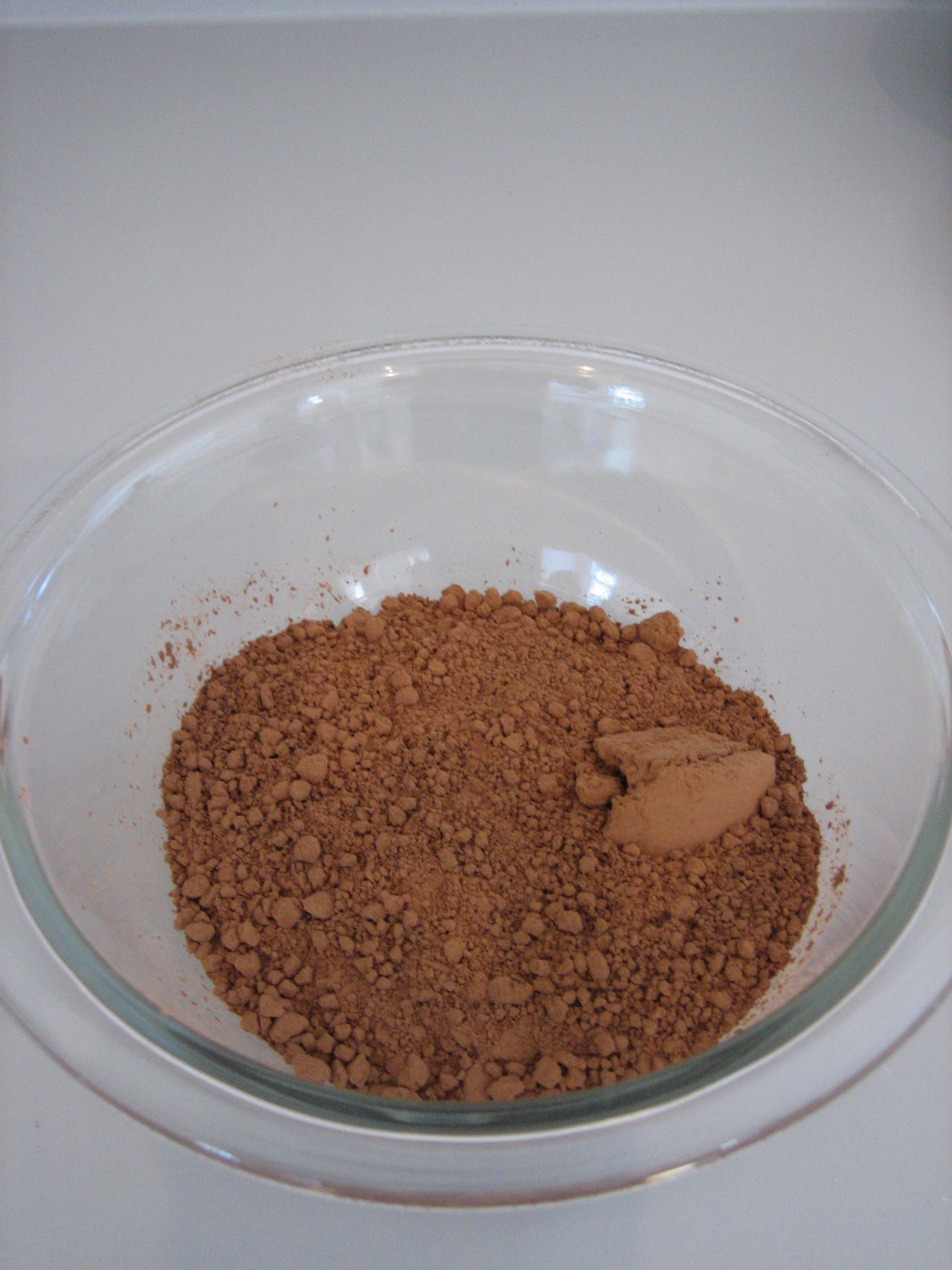
The researchers observed that Kuna populations living in the San Blas had strikingly lower incidence of death from heart disease, stroke, cancer, and diabetes millitus than Kuna living on the Panama mainland.
Of course, cocoa consumption is not the only difference between the two Kuna populations and the information on their death certificates. The authors propose several other potential contributing factors:
Tuesday, June 10, 2008
Any-bean hummus good for your heart
Beans -- they're good for your heart. And they all make delicious hummus. Use Lima, kidney, or black beans to make hummus of many different colors and lots of soluble fiber for your heart. Even more soluble fiber than chickpeas.
Hummus makes a good dip for vegetables, and a great sandwich spread. Try a tablespoon or two in a whole wheat pita with some lettuce and tomato. I found a Black Bean hummus recipe in the bigoven archive. It features olive oil, high in mono-unsaturated fat. You could reduce the oil by half if you wished, and increase the lime juice to keep it moist...
Black Bean Hummus
Try this recipe with any kind of beans, canned or home-made in the pressure cooker.
Recipe By:
Serving Size: 8
Cuisine: Uncategorized
Main Ingredient: Beans
Categories: Vegetarian, Vegan, Summer, Boating, Appetizers
-= Ingredients =-
16 oz Black beans
1 tb Tahini
3 tb Olive oil
1 Lime juice
2 clove garlic
Salt & pepper ; to taste
1 ts Ground cumin
-= Instructions =-
In a food processor, combine all the ingredients & process till smooth. Cover & refrigerate till ready to use. Bring to room temperature before serving.
From Geminis MASSIVE MealMaster collection at www.synapse.com/~gemini
(Nutritional Analysis assumes beans cooked without salt, no additional salt added)
Serving: .27 cups (71g), Calories: 136: Fat: 6g : Sodium: 204mg
Protein: 6g, NetCarbs: 10, K: 227mg
SatFat: 1g, PolyFat: 1g, MonoFat: 4g, Chol: 0mg
TotCarbs: 15g, Fiber: 5g, Sugars: 0g
Calories: 42.0% from fat, 29.4% from carbohydrates 04.4% from protein
DASH: Vegetables: 0.0: Fruits/Juices: 0.0: Dairy: 0.0: Grains: 0.0: Meat/Fish: 0.0: Seeds: 0.8: Fats: 1.1: Sweets: 0.0
USDA: Vegetables: 0.0: Fruits/Juices: 0.0: Dairy: 0.0: Grains: 0.0: Meat/Fish/Seeds: 0.8: Fats: 1.1: Sweets: 0.0
Monday, June 09, 2008
Does Chocolate Lower Blood Pressure?
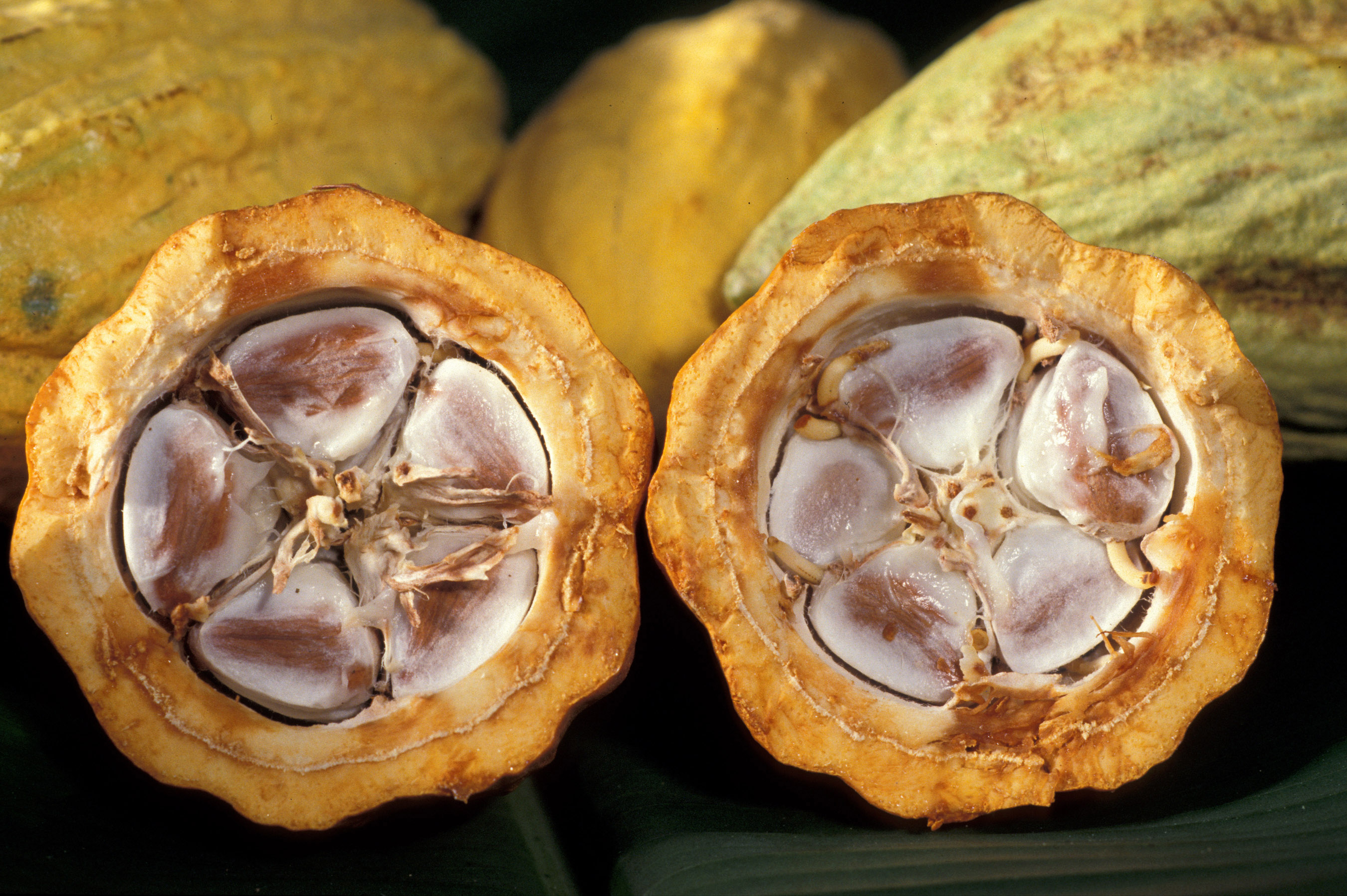

That would seem to be a disappointing result..., and you might wonder why the researchers would go to the trouble and expense to get it published. But actually, in this 10-subject "feasibility" study, the diabetic subjects experienced 30% improvement in Flow-Mediated Dialation. This means their arteries were more able to relax, according to a press release from Mars. And any improvement in blood vessel function is good news for diabetics, who are at high risk for heart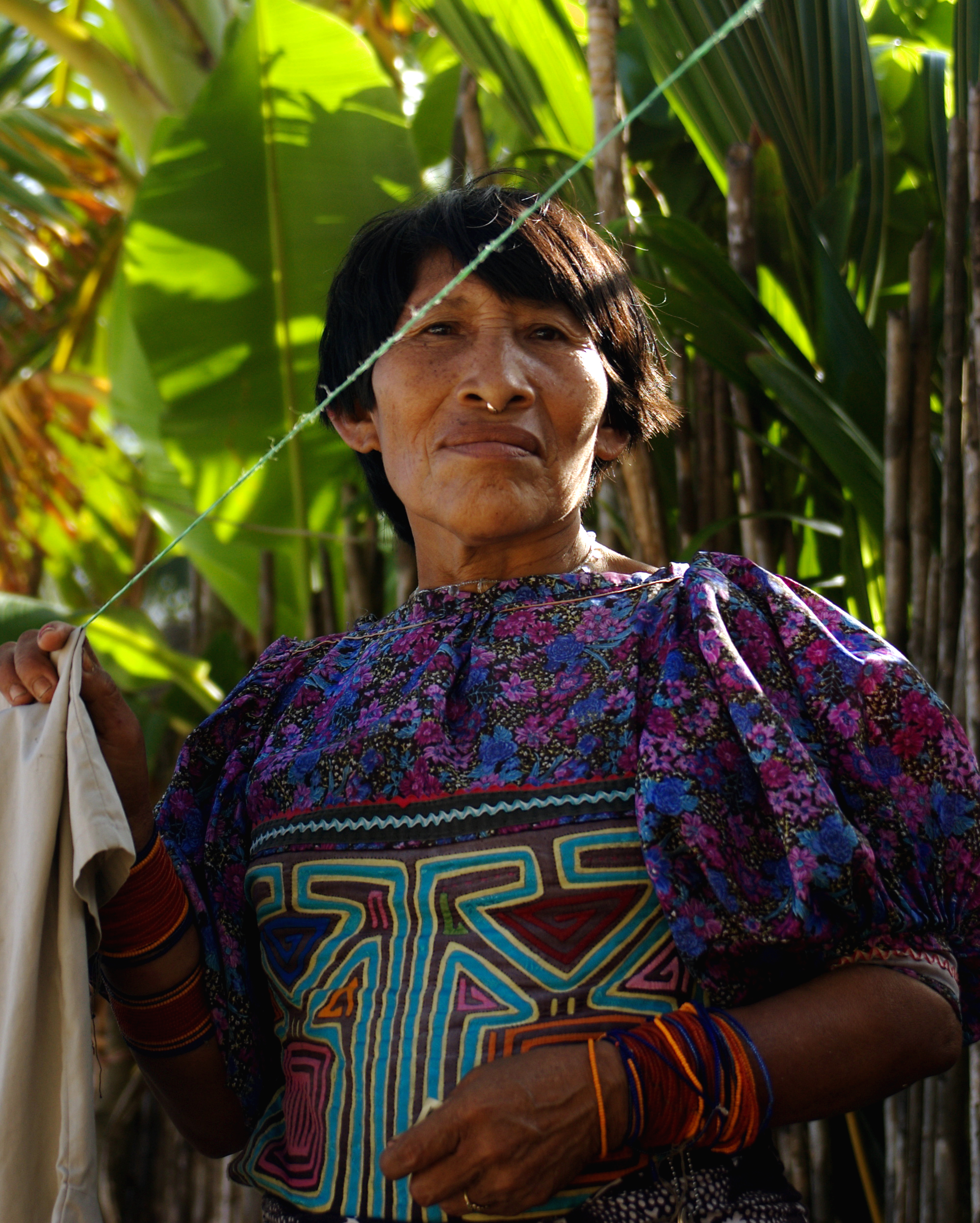
But why, since cocoa flavanols have been shown to cause blood vessels to relax, doesn't this study show improvements in blood pressure? And why have earlier studies (such as those I mentioned here) shown significant improvements in blood pressure? And why are the people of the autonomous Kuna comarcas of Panama apparantly immune to high blood pressure? Is it the 100% cacao beverage they drink all day long, or something else?
Is Cinnamon good for the heart?

- Water-soluble compounds: flavanols, proanthocyanidins and oxidized proanthocyanidins
- flavanols and proanthocyanidins found in cinnamon might lower blood pressure and improve circulation. (Or it might not)
- Proanthocyanidins, when mixed with water in a basic solution, will oxidize. Some of these oxidized proanthocyanidins might improve insulin sensitivity
methylhydroxychalcone polymer (MHCP)one polyphenol compound, found in several cinnamon species, has stimulate insulin-like responses in living cell experiments.- Some other water-soluble compounds could slow down the progression of alzheimer's disease or amyotrophic lateral sclerosis
- Alcohol-soluble compounds: estrogen-like compounds that might help prevent osteoporosis.
- Oil-soluble compounds: coumarin and other essential oil componants
The big problem with cheap and tasty cassia cinnamon is... coumarin, a potent blood thinner, from which the prescription blood thinner Warfarin (known as Coumadin and by other brand names) was derived. In addition to thinning the blood, it can put a strain on the liver, even causing liver damage which is, fortunately, reversible. Coumarin has been used since the 1880's to give perfumes that "green" scent of new-mown hay, and it is found in other plants common around the world. Cassia Cinnamon contains 4% essential oil, of which 7% is coumarin. So it is .28% coumarin. If you eat 1 gram of cinnamon (1/4 teaspoon) of cassia a day, you would get 2.8mg of coumarin The German government recommends a tolerable daily input of no more than .1 mg Coumarin per kg bodyweight, so a person weighing 110 pounds (50 kg) could afford to eat 5mg Coumarin (1.78g of cassia) per day. It is probably a good idea to stay within this safe daily limit for powdered cinnamon.
Since coumarin is not soluble in water, scientist in the lab of leading cinnamon researcher Richard Anderson have made hot water extracts (tisanes) to leave the toxic coumarin behind. They used basic solutions to help dissolve the compounds that help diabetics the most MHCP. Then they found out a polyphenol is important for improving blood sugar. For lowering blood pressure, the flavanols and proanthocyanidins are most important. And these break down in a basic solution. So, for lowering blood pressure, plain hot water might be better. If you were to add 1/4 teaspoon of cinnamon to 1 cup of hot water, and let it steep for a while before filtering through a coffee filter, you would get most of the polyphenols (these researchers, using grape powder, used a centrifuge to recover over 90% of polyphenols from their powdered sample; you'd probably get less through a coffee filter).
So -- is cinnamon good for your heart? The answer seems to be: yes and no. Up to 1/4 teaspoon daily of cassia cinnamon might be risk-free for most adults. It might or might not help bring down blood pressure and/or help improve cholesterol or diabetes. Larger amounts might be bad for you because of the coumarin. You might get the benefit of the flavanols by making tea from your cassia. Or you can use a water-extracted cinnamon extract, like those researchers did.


