Enter food for NutritionData.com analysis or GlycemicIndex.com data
Food Name
Showing posts with label cinnamon. Show all posts

Wednesday, August 13, 2008

Sweet Potato Orange Muffins

I'm not an advocate of hiding vegetables. Maybe I have more in common with the authors of "real food for healthy kids," who focus on teaching kids to enjoy filling their plates with healthy, nutritious foods. At the same time, I think it's a great idea to replace some refined or milled grains with fruits and vegetables. Especially after reading how meals high in refined grains cause a couple hours of inflammation that can damage your arteries, how high-fat meals meals cause insulin resistance, and how foods with the right carbohydrates can improve blood sugar, cholesterol, and inflammation.

I don't think that I and my family are ready to renounce ground grains (flours made from white and whole wheat, rye, rice, corn, even cornmeal). And I cannot convince them that a high-fiber orange sweet potato is more delicious than a starchy baking potato. But I can see the logic of replacing a bagel with something less inflammatory. Like a muffin. A muffin? Full of white flour, sugar, and saturated fat? I found a low-fat sweet potato orange muffin recipe from an old volume of Womans Day Low Fat Meals that was an almost perfect match for my fridge full of rejected sweet potatoes... Of course, I changed it up a little. I used 100% whole wheat flour, threw out the egg yolks, reduced the sugar, and increased the cinnamon (everybody loves cinnamon). And I used fresh sweet potato instead of canned. My first attempts had more sweet potato than the rest of my family could tolerate (how is that even possible?), and I learned that the potato ricer goes a long way toward creating a smooth and tolerable sweet potato puree. This newest version seems to be well-tolerated by everyone in the family, and it is my new favorite recipe. I've even tried substituting ground flaxseed for the eggs to turn the recipe vegan, and that works, too.


Sweet Potato Orange Muffins

A moist, rich muffin with a pumpkin-pie flavor

Recipe By: Family Nutritionist
Servings: 16

-= Ingredients =-
2 c Whole wheat flour
2 ts Low-sodium baking powder
2 ts Baking soda
1 1/2 ts Cinnamon
1/2 ts Nutmeg
1/2 ts Allspice
3/4 pound Sweet potatoes ; cooked, mashed/pureed
1/2 c Firmly packed brown sugar
4 large Egg whites
1 c Orange juice
1 medium Carrot ; shredded
1 ts Vanilla

-= Instructions =-
Lightly grease 16 muffin pan cups or line with paper liners. In a medium bowl, flours, baking powder, baking soda, and spices. In a large bowl, mash sweet potatoes. Add brown sugar, eggs, orange juice, carrot and vanilla. Mix well. Add dry ingredients to sweet potato mixture and stir until combined. Fill muffin cups 3/4 full with batter and bake at 400 F for 15 to 20 minutes or until tops are brown. Let cool slightly and remove from pan. Serve warm. Makes 16.

Serving: 1 muffin (77g), Calories: 113: Fat: 0g (4% of Cals): Sodium: 178mg
Protein: 3g, NetCarbs: 21, K: 242mg
SatFat: 0g, PolyFat: 0g, MonoFat: 0g, Chol: 0mg
TotCarbs: 24g, Fiber: 3g, Sugars: 9g

DASH: Vegetables: 0.2: Fruits/Juices: 0.1: Dairy: 0.0: Grains: 0.9: Meat/Fish: 0.0: Seeds: 0.0: Fats: 0.0: Sweets: 0.5
USDA: Vegetables: 0.1: Fruits/Juices: 0.0: Dairy: 0.0: Grains: 0.9: Meat/Fish/Seeds: 0.1: Fats: 0.0: Sweets: 0.5

Based on a recipe by: Womans Day Low Fat Meals, June 1995

Read all of "Sweet Potato Orange Muffins" ...

Monday, June 30, 2008

Cocoa after every meal?

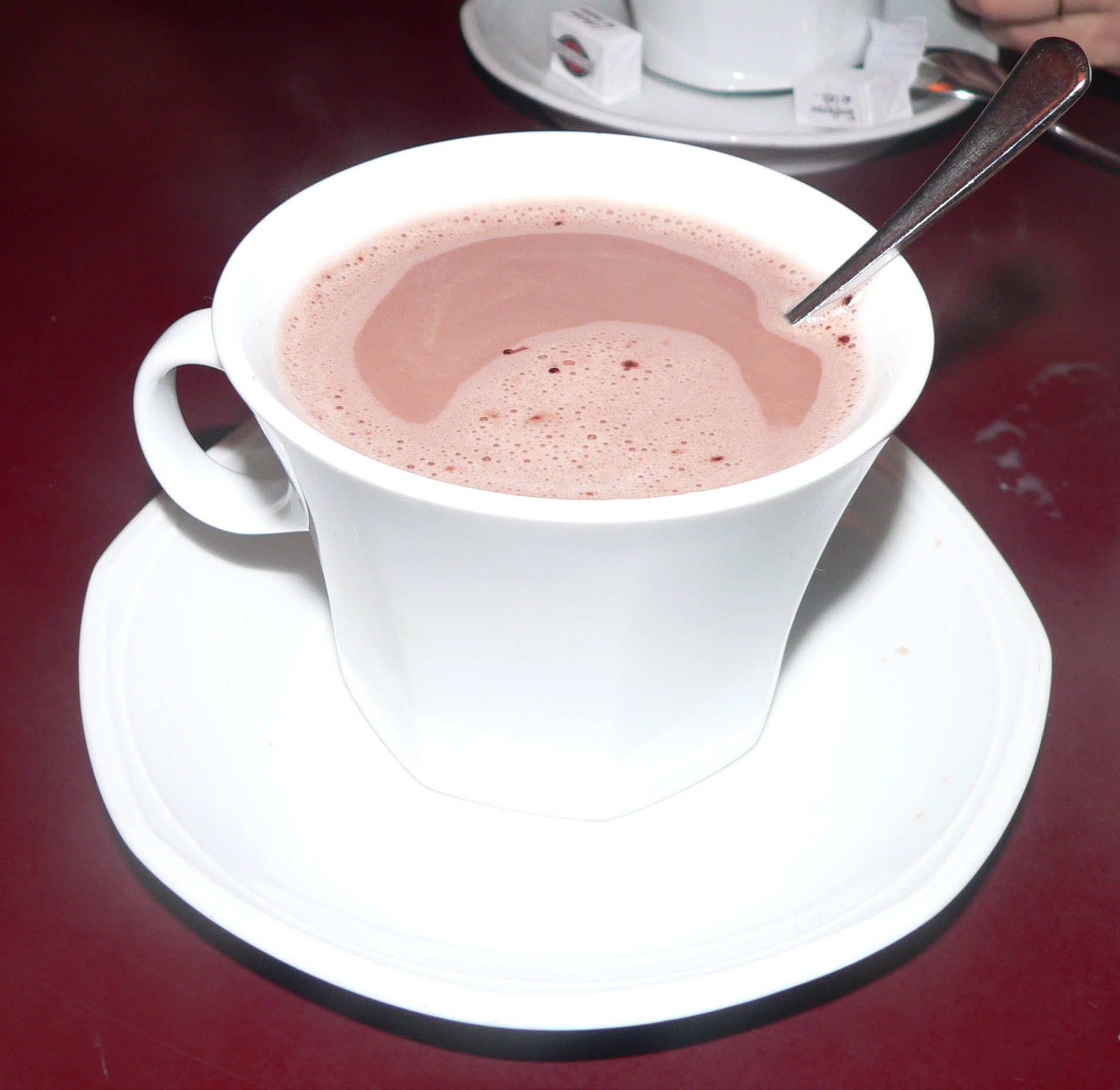
As I learned while writing a post two weeks ago, a lot of damage to your arteries can get done right after a meal. When your blood sugar goes way up after a meal, the insulin level follows, and after that your triglycerides go up, and your blood gets "thicker". At the same time, free radicals form, which can cause cholesterol to oxidize, which can lead to arterial plaque. And inflammation can cause plaques to rupture. A ruptured plaque is what caused Tim Russert's heart attack. A ruptured plaque could just as well cause a blockage in an artery of the neck or head, which could cause a stroke...


So, to reduce the risk of a heart attack, it seems like it would be a good idea to reduce plaque formation, and reduce the risk. And, if a lot of this dangerous oxidation and inflammation is happening right after meals that cause a rise in insulin, it would seem that anything you could do to reduce blood sugar or insulin or high blood pressure or triglycerides or inflammation or oxidation would help you a lot. Which is why I wonder, when I read the abstracts of some of the clinical trials of cocoa, chocolate, and cinnamon, exactly when everyone is eating their chocolate. Because it seems to me that the time you need the anti-oxidant the most is when you've got the worst threat of oxidation. And the time you need the insulin mimetic in cinnamon the most is right when you're getting that spike in blood sugar. The time you need something to relax your blood vessels in just when they're getting tense. That seems like a fair series of hypotheses.

I'd like to see someone do a meta-analysis of the papers to see if there is any correlation between when the particiapants are consuming their cocoa or cinnamon supplements and how much effect they get from it. Maybe the difference wouldn't show up in a short-term study.

But, if bad metabolism after meals really increases the risk of coronary artery disease, then maybe a long-term study of coronary artery disease progression and cocoa consumption would turn something up. And, if a little red wine with a meal can counter the oxidation chemicals in a meal, then why not a cup of cocoa, containing 200mg polyphenols after the meal? And why not a little cinnamon after the meal?

I'd like to see a clinical study of the effect of having 200mg of polyphenols during or directly after each of the main meals of the day. Three meals, 600mg in a day. Still less than the Kuna people drink, but quite a lot none the less.

Makes me wish I lived near one of these groups doing cocoa or cinnamon studies. Wouldn't it something to get involved in designing one of those experiments?

Because either cocoa and cinnamon are the greatest discovery since sliced bread (and to be highly recommended to anyone who regularly eats bread or other easily-digested carbohydrates) or they aren't. And I'd really like to know which it's going to be.

Read all of "Cocoa after every meal?" ...

Tuesday, June 17, 2008

Good for your heart is good for your head

Take care of your heart if you want to stay smart. Heart disease is bad for your brain. If you can reduce your risk of heart disease, you can reduce your risk of cognitive decline. I just figured that out this week. It was Bix's consideration of cognitive decline in heart disease patients that prompted me to put two and two together...


Lately, I've been focusing on how cinnamon, cocoa, and fish oil are good for the heart. I've been ignoring information about how they're supposed to help your brain stay sharp as you age. Is there a connection? Well, if your coronary arteries are clogging up, other arteries are probably clogging up, too. Like the ones in your head.

Bypass surgery can save your life, and the mild cognitive damage, it causes is usually temporary. But heart surgery can't fix the arteries in your brain. Researchers followed seniors with vascular disease for several years. They all showed cognitive decline over that time, whether or not they had surgery. Seniors with vascular disease all did worse than heart-healthy seniors.

So an anti-inflammatory diet full of choices that improve cholesterol and blood sugar isn't just good for your heart. It's good for your head, too.

Read all of "Good for your heart is good for your head" ...

Monday, June 16, 2008

Cinnamon Chocolates for your heart

Cassia Cinnamon is an even more concentrated source of flavanols than cocoa. So, if, like the Kuna, you wanted 900mg of flavanols to your diet, you could eat 2 1/2 tablespoons of cocoa. or only 3 teaspoons of cinnamon. But you shouldn't eat 3 teaspoons of cinnamon, because Cassia cinnamon contains coumarin. The German government has decided .1mg of coumarin per kg of body weight per day is safe. There are about 2.8mg of coumarin in every gram of Cassia Cinnamon. If you weigh over 124 pounds, you should be safe with 2g (1/2 tsp) of cinnamon per day, as long as you aren't eating any other foods with coumarin in them. If you weigh 185, you can tolerate 3 g (3/4 teaspoon)...

Here's a recipe that's not exactly haute cuisine. It makes four servings of a slightly sweet, strongly cinnamon/cocoa patty. It is not smooth like fine chocolate, because it is made with cocoa powder and cinnamon. All that conching destroys flavanols, anyway. One quarter of this recipe has about 500mg of flavanols, including 3/4 teaspoon of cinnnamon per serving, which provides over 200mg of flavanols and 8.4 mg of coumarin. It should be perfectly safe for someone weighing over 190 pounds who isn't eating other sources of coumarin or other blood thinners. If you weigh less, you can divide the recipe into more, smaller servings to get less cinnamon and flavanols. Of course, you would want to discuss this with your doctor. If you'd prefer to leave out the cinnamon altogether, try the recipe for Cocoa Chocolate Patties

Chocolate, Cocoa, and Cinnamon Patties

Recipe By: Family Nutritionist
Serving Size: 4
Cuisine:
Main Ingredient:


-= Ingredients =-
1 oz Baking chocolate ; 100% cacao, unsweetened
3 teaspoon Cinnamon
4 teaspoon Honey
3 tablespoon Cocoa powder

-= Instructions =-
Gently warm baking chocolate until you can stir it.
Stir in the cocoa, cinnamon and honey. Allow to cool to a dough, then divide into 4 pieces and form into balls or patties. Cool on the baking chocolate wrapper.

Do not take with milk, butter, or other dairy products.

Serving: .11 cups (24g), Calories: 81: Fat: 5g : Sodium: 3mg
Protein: 2g, NetCarbs: 9, K: 194mg
SatFat: 3g, PolyFat: 0g, MonoFat: 2g, Chol: 0mg
TotCarbs: 14g, Fiber: 5g, Sugars: 6g
Calories: 56.0% from fat, 69.1% from carbohydrates 02.5% from protein

NFCS: 6.54g Cinnamon: 3.0g : Fats: .84: Sweets: 0.4
PA: 512.35 mg, 1-3 mers: 128.45 mg


German government guidelines for safe daily consumption of Cassia Cinnamon, assuming no other sources of coumarin in the diet. Talk to your doctor to discuss what is safe for you.


Body Weight(pounds)Cinnamon (g)Cinnamon(tsp)flavanols(mg)
600.970.2478.97
61.61.000.2581.08
1101.790.45144.79
123.22.000.50162.16
1302.110.53171.11
184.83.000.75243.24
1903.080.77250.08
2003.250.81263.25

Read all of "Cinnamon Chocolates for your heart" ...

Food Choices that improve cholesterol and blood sugar.

A review of studies on how what we eat affects our bodies right after a meal says that, when you eat too much fat or highly-processed carbohydrates in one meal, your blood sugar and triglycerides go up quickly. Your body can't metabolize this excess very well, and you wind up with free radicals, oxidative stress, inflammation, and a stress response. You will have immediate increases in blood pressure, oxidation of LDL cholesterol, C-reactive protein production, and risk of blood clotting. This can go on for longer than four hours after a meal, at which time you'll be nearly ready for another meal....

Post-prandial "glucose excursions" are associated with risk of cardiovascular disease (atherosclerosis or hardening or narrowing of the arteries), which can lead to a heart attack, a stroke, or cognitive decline (where you have more and more trouble with memory and alertness, and become confused more often) -- all because of poor circulation to your heart and brain. On top of that, those spikes in blood sugar and insulin will lead to excess fat deep in your belly (called visceral fat), which increases your risk of diabetes and high blood pressure.

The good news is that most people can slow down the rate at which these bad things happen, or even stop them, just by making a few changes in how they eat. You can probably reduce your risk of heart disease or even lose belly fat.

Eat Better Carbs
Cut down on white bread, white rice, and white potatoes. Substitute pasta, whole unmilled grains (like brown rice and bulgar), and even pasta. Avoid highly-processed foods that have a lot of sugar, high-fructose corn syrup, white flour, and processed starch. Then substitute more vegetables like broccoli and spinach for some of the grains and potatoes. Eat "good carb" fruits like citrus, cherries, and berries.

I tried this one out last Friday. I made a pasta salad, but added quite a lot of chopped vegetables. Little bits of leftover grilled asparagus, red peppers, broccoli, onion, some fresh herbs from the garden, a little carrot and celery, a few peas, and some small red beans. It was colorful and delicious, and there was less room in the bowl for pasta.

Eat better fats
Avoid trans fats and saturated fats. Use modest amounts of olive oil or nut oils, and get some fish oils for their omega-3 fatty acids. The omega-3 fatty acids improve the after-meal triglycerides and reduce inflammation and risk of heart disease.

I'm working on adding one meal of fish per week to my family's menu, and maybe working up to two meals a week. Tuna sandwiches and tuna in the pasta salad go over pretty well.

Eat foods that slow digestion
Like nuts, vinegar, and cinnamon, and high-fiber foods like lettuce, spinach, and broccoli. A nice big serving of green salad dressed with vinegar and a little olive oil can lower your after-meal blood sugar by 25% or more and help you to feel more full. And a very small serving of nuts gives you antioxidants and decreases after-meal oxidative damage.

So I've tried having a small handful of plain, unsalted almonds as an evening snack, as a substitute for a small snack of pretzels. I pack low-sugar fruit cups in the kids' lunches instead of pudding cups, and include a bundle of carrot sticks. I try to serve a green salad or (when I can get them) a fresh beet salad dressed in vinegar. I've also found the kids are less likely to make faces at cooked greens if I serve them with vinegar.

Eat a little lean protein
At each meal to keep your metabolism up. This includes egg whites, fish, game meat (and other very lean red meats), skinless poultry breast, and nonfat dairy protein. They can decrease after-meal inflammation and help with losing weight.

Does nonfat milk on the quick oats at breakfast count?

Eat modest-sized servings
So your body can handle the load. Foods that help you feel full will help. They authors recommend vinegar and high-fiber foods.

We actually bring measuring cups to the table to help with this.

Move
Get 30 minutes or more per day of moderate or stronger physical activity. Even light exercise, if you keep up with it daily, can help. 90 minutes of exercise within 2 hours before or after a meal can cut your after-meal blood sugar and triglycerides in half.

Here's where I could really help myself some more, although the rest of my family doesn't seem to have a lot of problem. I think I'm spending too much time looking for health information and writing about it, and need to spend more time weeding the garden.

Keep a Healthy Weight
Strive for a waist size less than half your height.

Foods that reduce inflammation include fish oil and other omega-3 fatty acid supplements (since they reduce blood triglycerides), deeply-colored fresh fruits and vegetables, nuts, and cinnamon.

I think I've been doing a pretty good job in the last couple of years improving my family's diet. In the next few months, I'm going to put some focus on continuing to improve our carbohydrates, since there's a big benefit there. And I'll continue exploring the anti-oxidants. I really like the idea of improving my health with cocoa and cinnamon.


Last edited (corrected typos) 29 Oct 2008

Read all of "Food Choices that improve cholesterol and blood sugar." ...

Friday, June 13, 2008

Anti-Inflammatory Diet Good for the Heart

An article featured in January's Journal of the American College of Cardiology says blood sugar spikes after a high-glycemic index meal causes a stress response, inflammation, raised triglycerides, blood thickening, and blood vessel tightening. This is called "postprandial dysmetabolism" and it isn't good for your heart. In fact, it's "predictor of future cardiovascular events". The authors of the paper suggest some dietary changes that will improve this situation right away. The PDF is available for download ($4.95) and a summary is available at Medscape.

Some of the highlights from the Medscape summary:

  • Eat high-fiber meals and whole grains; get some protein at each meal; avoid white flour
  • Avoid highly-processed foods and beverages containing sugar, high-fructose corn syrup, white flour, or trans fats.
  • "Berries, dark chocolate, red wine, tea, and pomegranates" reduce inflammation after meals.
  • If you must eat a high-glycemic-index meal, seasoning it with "cinnamon slows gastric emptying and reduces [after-meal blood-sugar spikes]"
  • Eat nuts 5 times a week after meals
  • Season meals with vinegar to lower your blood sugar and feel more full.
  • While you are exercising, your blood sugar and triglycerides drop almost immediately.

The abstract also mentions fish oil, but the Medscape summary doesn't have anything more to say about it or omega-3 fatty acids...


Read all of "Anti-Inflammatory Diet Good for the Heart" ...

Monday, June 09, 2008

Is Cinnamon good for the heart?

Cassia Cinnamon (the least expensive species of cinnamon sold in the US) like chocolate, is full of flavanols, which can lower blood pressure. In fact, Cassia has a lot of active compounds in it. Some are beneficial, while some are not. Some researchers have reported such dramatic results that you would certainly want to talk to your doctor before adding large quantities of cinnamon to your diet.

  • Water-soluble compounds: flavanols, proanthocyanidins and oxidized proanthocyanidins
    • flavanols and proanthocyanidins found in cinnamon might lower blood pressure and improve circulation. (Or it might not)
    • Proanthocyanidins, when mixed with water in a basic solution, will oxidize. Some of these oxidized proanthocyanidins might improve insulin sensitivity
    • methylhydroxychalcone polymer (MHCP) one polyphenol compound, found in several cinnamon species, has stimulate insulin-like responses in living cell experiments.
    • Some other water-soluble compounds could slow down the progression of alzheimer's disease or amyotrophic lateral sclerosis
  • Alcohol-soluble compounds: estrogen-like compounds that might help prevent osteoporosis.
  • Oil-soluble compounds: coumarin and other essential oil componants

The big problem with cheap and tasty cassia cinnamon is... coumarin, a potent blood thinner, from which the prescription blood thinner Warfarin (known as Coumadin and by other brand names) was derived. In addition to thinning the blood, it can put a strain on the liver, even causing liver damage which is, fortunately, reversible. Coumarin has been used since the 1880's to give perfumes that "green" scent of new-mown hay, and it is found in other plants common around the world. Cassia Cinnamon contains 4% essential oil, of which 7% is coumarin. So it is .28% coumarin. If you eat 1 gram of cinnamon (1/4 teaspoon) of cassia a day, you would get 2.8mg of coumarin The German government recommends a tolerable daily input of no more than .1 mg Coumarin per kg bodyweight, so a person weighing 110 pounds (50 kg) could afford to eat 5mg Coumarin (1.78g of cassia) per day. It is probably a good idea to stay within this safe daily limit for powdered cinnamon.

Since coumarin is not soluble in water, scientist in the lab of leading cinnamon researcher Richard Anderson have made hot water extracts (tisanes) to leave the toxic coumarin behind. They used basic solutions to help dissolve the compounds that help diabetics the most MHCP. Then they found out a polyphenol is important for improving blood sugar. For lowering blood pressure, the flavanols and proanthocyanidins are most important. And these break down in a basic solution. So, for lowering blood pressure, plain hot water might be better. If you were to add 1/4 teaspoon of cinnamon to 1 cup of hot water, and let it steep for a while before filtering through a coffee filter, you would get most of the polyphenols (these researchers, using grape powder, used a centrifuge to recover over 90% of polyphenols from their powdered sample; you'd probably get less through a coffee filter).

So -- is cinnamon good for your heart? The answer seems to be: yes and no. Up to 1/4 teaspoon daily of cassia cinnamon might be risk-free for most adults. It might or might not help bring down blood pressure and/or help improve cholesterol or diabetes. Larger amounts might be bad for you because of the coumarin. You might get the benefit of the flavanols by making tea from your cassia. Or you can use a water-extracted cinnamon extract, like those researchers did.

Read all of "Is Cinnamon good for the heart?" ...

Monday, June 02, 2008

Chocolate and Cinnamon are good for the heart

Even a little bit of the right kind can lower your blood pressure and cholesterol. It works much better than tea. And a big piece of chocolate can improve your blood sugar, too. And cinnamon can improve your blood pressure and blood sugar. Cinnamon and cocoa seem to have fewer adverse side effects than prescription drugs.

In a recent Italian study, patients in their 30's reduced their high blood pressure an average of 11.9 points systolic and 8.9 points diastolic after eating a popular German candy bar for only two weeks. Several other chocolate studies are summarized here. And the Kuna people of the San Blas Islands of Panama seem to be immune to high blood pressure -- as long as they drink their cocoa.

With your doctor is monitoring you regularly, the best-case scenario would be a 10-point drop in systolic and 8-point drop in diastolic blood pressure in a couple weeks, putting a prehypertensive back into the normal range. Even a 5-point drop that showed up over a couple of months would be worth celebrating. The worst-case scenario is no change, in which case you've bought and enjoyed chocolate for several weeks, and are no worse off. Unless you have migraines or a chocolate allergy, there is very little risk.

You just need to choose the right chocolate.


1. Cocoa can cause allergic reactions or trigger migraines in some people. Children shouldn't eat too much cocoa or chocolate. Chocolate and cocoa might cause decreased bone density in older women. Or not.
2. Cinnamon rarely causes an allergic skin reaction. Cinnamon can thin the blood and might have an estrogenic effect.

Read all of "Chocolate and Cinnamon are good for the heart" ...