

 Posts
Posts


When you decide to change your diet during the holidays, you're in a bit of a pickle. There was just no way to make any changes at Thanksgiving. Potatatoes, stuffing, cranberry sauce, and pies. It's tradition!
Now Christmas is approaching. And guess what. Christmas cookies are a tradition. Lots of sugar, white flour, and saturated fats. I've got low-fat wheat-flour cookies, and sugary no-flour cookies, and sugary, buttery cookies. But I can't make anything decent that matches up with any sort of diet recommended for people watching their triglycerides. No. I don't quite have the hang of the Splenda meringue, so it's off the list for this year. We made the cookies already. And we're sending them to our families and friends. We call these little devils gifts. It's a tradition!
Wednesday, December 10, 2008
Christmas Traditions on a diet


Thursday, July 31, 2008
Diabetes, overstuffed cells, and changing the way you eat.
 I've just read Dr. Neal Barnard's Program for Reversing Diabetes. His main argument starts with reasons why your cells start to resist insulin. Insulin is supposed to signal the cells to take in the sugar that is available in the blood. But, if muscle cells already have enough sugar, or are storing a lot of fat, they start to ignore insulin's signal. The blood sugar stays high for some time, (which can be very bad for the body), and then the energy in the sugar gets used to produce fat, which the body will store in case you need it later.
He decided that diabetes sufferers need to
- Reduce the fat in their muscle cells to make them more sensitive to insulin's signals and
- Reduce the amount of sugar in the blood so you need less insulin in the first place.
His solution is a low-fat, high-fiber diet wherein most of your energy comes from slower-release carbohydrate sources, like sweet potatoes, intact grains, legumes, as well as All-Bran cereal, al-dente pasta, and the like. To keep fats low, the diet is vegan. Fats should be "good" anti-inflammatory mono and poly-unsaturated fats. The diet has performed very well in clinical trials. It reads quite a bit like Dean Ornish's diet for reversing heart disease, at least as it appeared in his earlier Eat More, Weigh Less. Only, Dean Ornish was advocating a vegetarian, not vegan, diet. Both books (and their Amazon reviews) contain testimonials and case histories of people who started the diet because their physical condition was so poor they were frightened, and who had spectacular success.
The thing is, an awful lot of people are not going to renounce steak, eggs, milk, and even wild-caught Pacific salmon unless they are awfully scared. And maybe not even then. And, let's face it, while many women often crave carbs, it seems that many men crave meat. And some of Barnard's substitutes (vegetable broth thickened with cornstarch for olive oil on salads) sound time-consuming and simply hideous.
Studies show Barnard's diet is effective for managing glucose and, even reducing or eliminating insulin dependance in diabetics. And it can probably control and/or reverse heart disease as well. It could be promoted as a gold-standard intervention for diabetic and pre-diabetic patients. But if Barnard's diet were the only choice on the menu, I imagine a lot of patients would head for another restaurant.
Read all of "Diabetes, overstuffed cells, and changing the way you eat." ...
Thursday, January 24, 2008
Atkins adherents eat more vegetables?
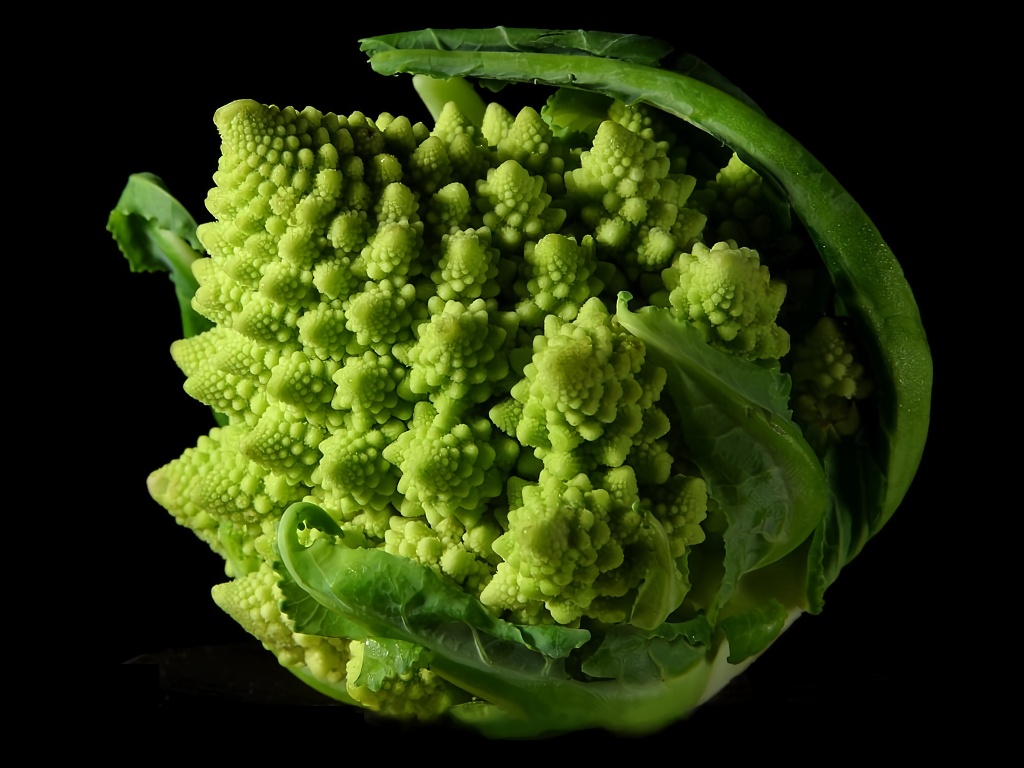
"We had people in our studies tell us that they are eating more vegetables on the Atkins diet," says Yancy. "It's because people have concentrated so much on starches and carbohydrates. When those are taken out of the picture, they have only meat, eggs, and vegetables as an option, and so they end up eating more vegetables."[1]
Eating more of the green, leafy, low-calorie vegetables seems to be one thing all the diets agree on.
- _The skinny on the Low-Carb Craze Kim McDonald, Duke Magazine 2004 September;90(5)
Thursday, June 14, 2007
Healthier Choices, step 1: more vegetables

Read all of "Healthier Choices, step 1: more vegetables" ...
